Get Flowerbed Edging Installation
Flowerbed edging installation services help property owners define garden borders, prevent soil erosion, and enhance landscape appearance through professional edging projects.
Flowerbed edging installation can enhance the overall appearance and organization of outdoor spaces, making gardens look more polished and well-maintained. Property owners in the area often consider this work to define garden boundaries clearly, prevent soil erosion, and create a tidy, attractive landscape. Exploring options for professional installation ensures that the project is planned effectively and executed with quality craftsmanship.
For those interested in improving their outdoor environment, comparing local contractors who specialize in flowerbed edging provides an opportunity to find experienced service providers suited to specific needs. By reviewing available options, property owners can select reputable professionals capable of delivering results that complement their landscape design and long-term property goals.
- Flowerbed Edging Installation - when adding a defined border enhances garden organization and aesthetics.
- Garden Bed Redefining - to create clear boundaries and prevent soil erosion around flowerbeds.
- Landscape Renovation - during upgrades that include updating or expanding garden areas.
- Property Landscaping - when installing or refreshing flowerbed edges to improve curb appeal.
- Custom Garden Design - for personalized borders that complement specific landscape styles.
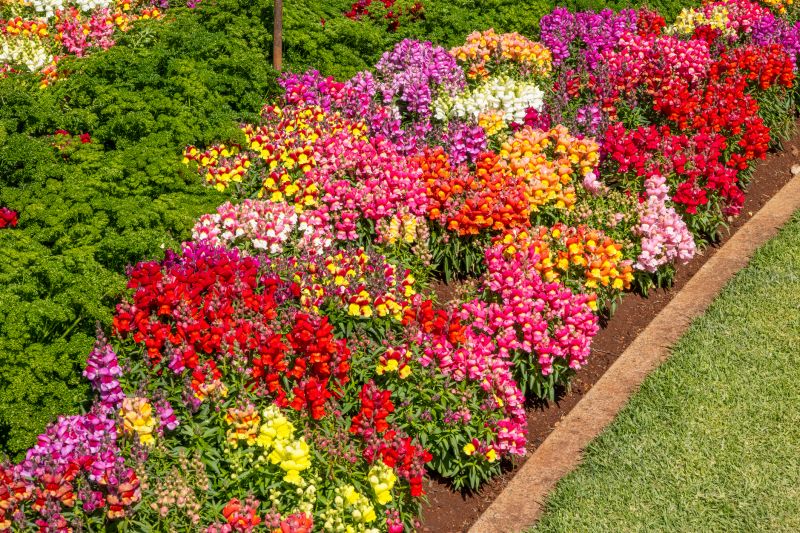
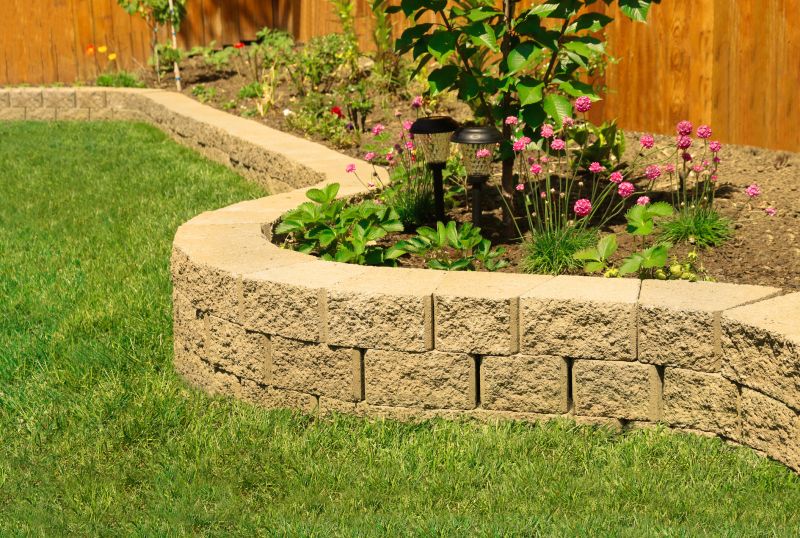
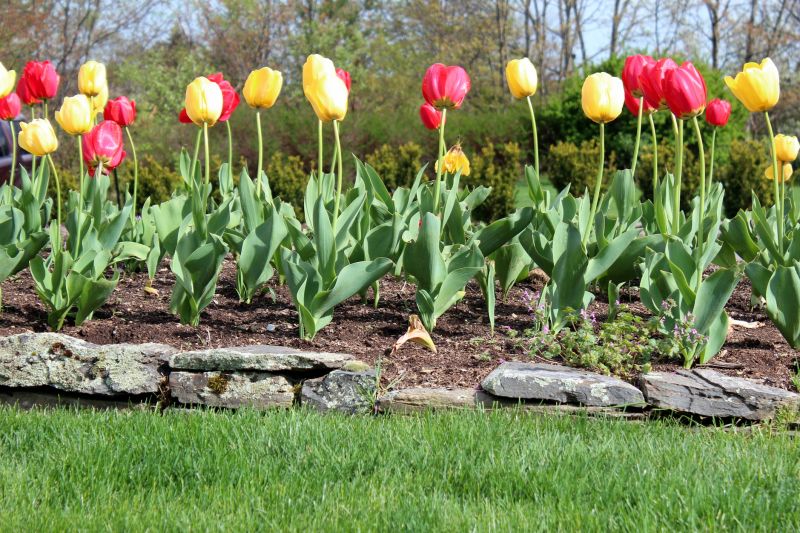
Flowerbed edging installation involves adding a defined border around garden beds to create a clean, organized appearance. This service typically includes selecting the appropriate edging material, preparing the soil, and installing the border to ensure it stays in place over time. Professional contractors can work with a variety of materials such as brick, stone, metal, plastic, or wood, allowing homeowners to choose an option that complements their landscape style. Proper installation helps prevent grass and weeds from encroaching into flowerbeds, making garden maintenance easier and more efficient.
This service addresses common landscaping problems like overgrown grass invading flowerbeds, uneven or poorly defined borders, and soil erosion that can cause mulch or soil to spill into surrounding lawns. Edging can also improve the overall aesthetic of a yard by creating crisp, straight lines and a polished look. For homeowners who want to maintain clear separation between lawn and garden areas or prevent weeds from spreading, flowerbed edging provides a practical solution that enhances curb appeal and simplifies ongoing yard care.
Property types that often benefit from flowerbed edging installation include residential homes, especially those with well-maintained gardens or decorative landscaping. It is also popular among properties with multiple garden beds or vegetable patches, where neat borders help organize planting areas. Commercial properties, community gardens, and parks may also use edging to delineate different landscape features clearly. Regardless of property size, this service can help create a tidy, professional appearance while reducing ongoing gardening effort.
Homeowners considering flowerbed edging typically seek a neater, more defined landscape or want to address specific issues like grass encroachment or soil erosion. This service is suitable for those looking to improve the visual appeal of their yard, prevent weed growth, or make garden maintenance easier. Local contractors who specialize in landscape enhancements can provide the expertise needed to install durable, attractive borders that stand up to weather and regular use. Contacting experienced service providers can help determine the best edging options for individual property needs and aesthetic preferences.
The overview below groups typical Flowerbed Edging Installation projects into broad ranges so you can see how smaller, mid-sized, and larger jobs often compare in your area.
In many markets, a large share of routine jobs stays in the lower and middle ranges, while only a smaller percentage of projects moves into the highest bands when the work is more complex or site conditions are harder than average.
Smaller Projects - For routine flowerbed edging, local contractors typically charge between $250 and $600. Many jobs in this range involve simple installations or minor repairs and are the most common type of project.
Mid-Range Installations - Larger, more detailed edging projects usually cost between $600 and $1,200. These projects often include custom designs or additional landscaping features and represent a significant portion of typical work.
Complex or Custom Jobs - Highly intricate or extensive flowerbed edging projects can range from $1,200 to $3,000 or more. Fewer projects fall into this tier, often involving specialized materials or challenging terrain.
Full Replacement or Large-Scale Projects - Complete overhaul or large-scale installations can exceed $3,000, with some complex projects reaching $5,000 or higher. Such jobs are less common and usually involve significant landscaping work or unique design specifications.
Actual totals will depend on details like access to the work area, the scope of the project, and the materials selected, so use these as general starting points rather than exact figures.
Garden Pathway Installation - this project involves planning and installing edging to define pathways, requiring similar skills in layout and material placement as flowerbed edging.
Landscape Bed Construction - constructing and shaping garden beds involves planning, site preparation, and edging techniques comparable to flowerbed edging services.
Retaining Wall Building - building retaining walls requires precision in planning, leveling, and material handling, skills that align with installing durable flowerbed borders.
Driveway Edging Projects - defining driveway boundaries with edging materials shares techniques with flowerbed edging, including material selection and installation planning.
Tree Ring Installation - creating decorative or functional tree rings involves site preparation and edging installation skills similar to those used in flowerbed borders.
Garden Border Replacement - replacing or upgrading existing garden borders involves removal, planning, and new installation, akin to flowerbed edging services.
When comparing contractors for flowerbed edging installation, it’s important to consider their experience with similar projects. Homeowners should inquire about how long a service provider has been working on landscape edging and whether they have completed projects comparable in size and style. A contractor with a history of successful flowerbed edging installations is more likely to understand the nuances of different materials and design preferences, ensuring the final result aligns with the homeowner’s vision.
Clear written expectations are essential to avoid misunderstandings and ensure satisfaction. Homeowners should seek service providers who can provide detailed project descriptions, including the scope of work, types of edging materials, and any specific design elements. Having these details in writing helps establish a shared understanding of the project’s goals and provides a reference point throughout the process, making it easier to address any questions or adjustments that may arise.
Reputable references and good communication are key indicators of a reliable local contractor. Homeowners can ask for references from past clients to gain insight into the contractor’s work quality, professionalism, and ability to meet deadlines. Additionally, responsive and transparent communication during the initial stages can signal how well a service provider will collaborate throughout the project. While this site introduces homeowners to local options, it’s important to evaluate each contractor’s experience, clarity in expectations, and communication style to find the best match for flowerbed edging installation needs.
Property owners use Flowerbed Edging Installation services for practical projects around their homes and businesses. This guide focuses on everyday jobs and straightforward project options.
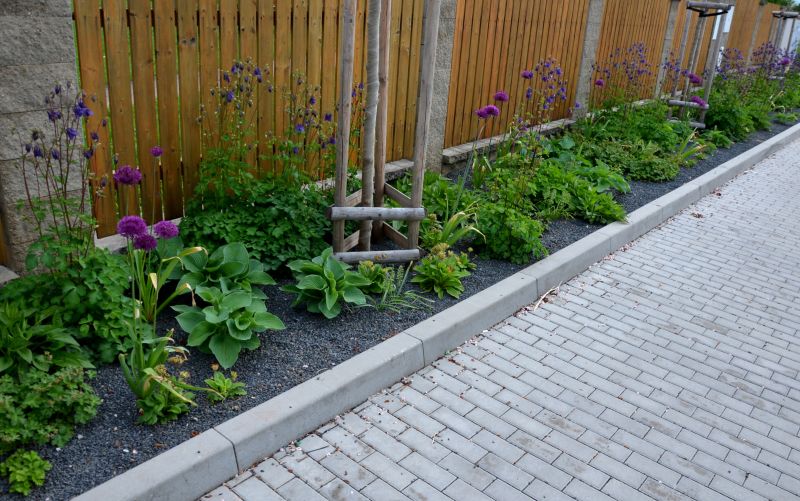
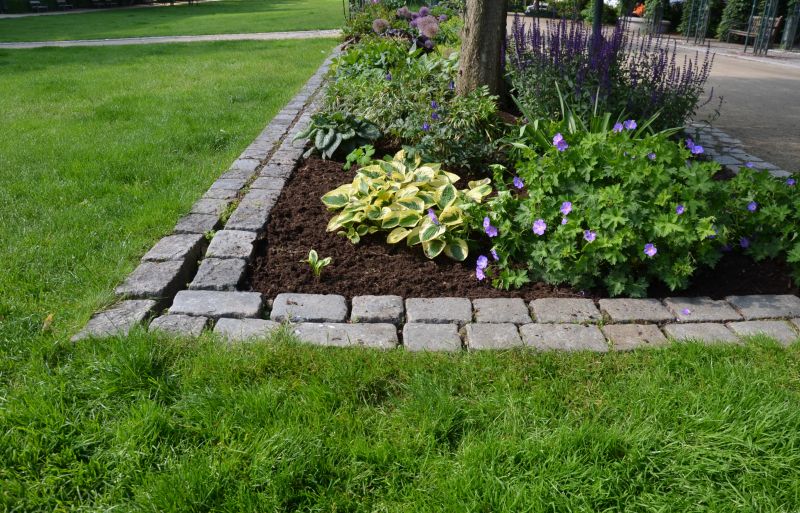
Flowerbed edging installation is a common project for property owners looking to define garden spaces and create a tidy, attractive landscape. Many local contractors are experienced in installing various types of edging materials, such as stone, plastic, or metal, to help keep soil, mulch, and plants neatly contained. Homeowners often seek this service when updating their yard’s appearance, preventing soil erosion, or simply adding a finishing touch to their landscaping efforts.
Property owners in the area might also look for flowerbed edging services after completing other outdoor projects or during routine yard improvements. Well-installed edging can enhance curb appeal and help maintain garden boundaries over time. Local service providers can assist with selecting the right materials and ensuring the installation aligns with the overall style and needs of the property.
What is flowerbed edging installation? Flowerbed edging installation involves adding a border around garden beds to define the space and improve appearance, typically handled by local contractors specializing in landscape enhancements.
What materials are commonly used for flowerbed edging? Common materials include metal, plastic, stone, brick, and wood, with local service providers able to recommend options suited to specific garden styles and preferences.
How do local contractors prepare for flowerbed edging projects? Contractors typically assess the garden area, remove existing borders if needed, and prepare the ground to ensure a clean, level edge before installing the new border material.
What are the benefits of professional flowerbed edging installation? Professional installation can improve the garden’s appearance, create clear boundaries, prevent soil erosion, and enhance overall landscape organization.
How can I find local service providers for flowerbed edging? It’s recommended to compare local contractors through a lead generation platform that connects homeowners with qualified service providers in the area.
Define garden boundaries - Installing flowerbed edging helps clearly mark garden areas, making outdoor spaces look organized and tidy.
Prevent soil erosion - Edging can keep soil and mulch in place during heavy rain or wind, protecting plant beds.
Enhance curb appeal - Well-installed edging adds a polished look to landscaping, boosting the overall appearance of a property.
Create low-maintenance beds - Edging can help reduce weed growth and make garden upkeep easier for property owners.
If you are thinking about Flowerbed Edging Installation for a property, this guide is meant to help you understand the work, the typical project types, and how different options might fit your plans.
When you are ready, you can use the quote form on this page to share a few details about your project. From there, local pros can review the basics and respond with options that match what you have in mind.